
Face Serum vs Moisturiser: Which One Do You Need First?
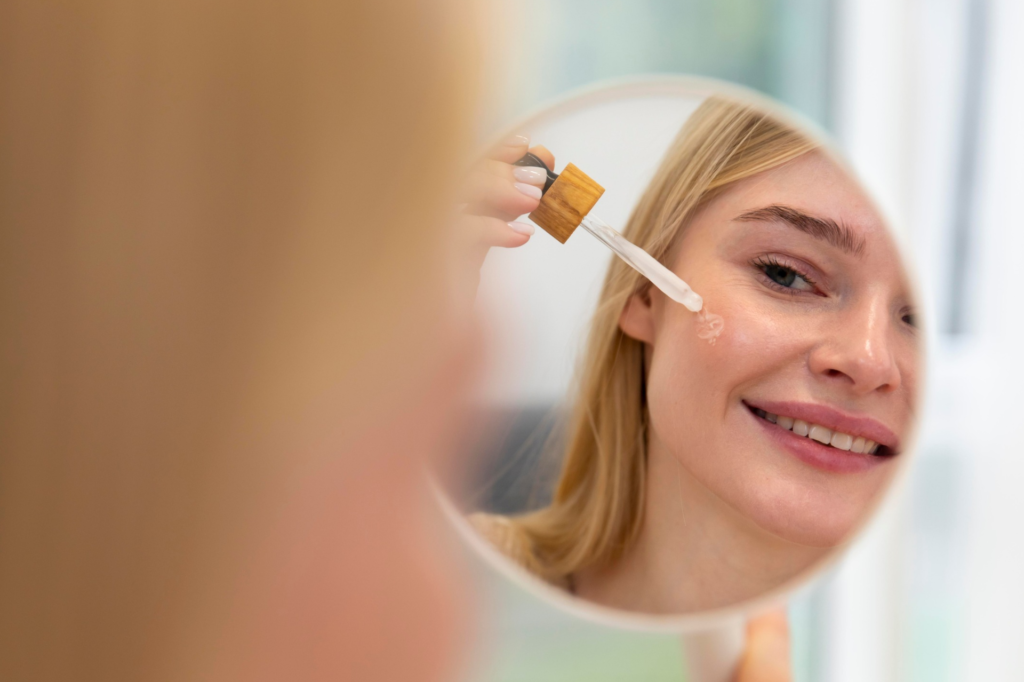
Walk into any skincare aisle and you will find shelves packed with serums and moisturisers, each promising glowing, healthy skin. If you are building a routine from scratch, it is easy to wonder whether you need both, and which one deserves a place in your routine first. The answer depends on your skin goals, but understanding what each product does makes the decision much simpler.
What Is a Face Serum?
A face serum is a lightweight, fast-absorbing formula packed with concentrated active ingredients. Because the molecules are small, serums penetrate deeper into the skin than thicker creams can. Their job is to target specific concerns. An all in one serum goes a step further by combining hydration, brightening and smoothing benefits in a single bottle.
Common serum ingredients and what they do:
- Vitamin C brightens dull skin and fades dark spots.
- Hyaluronic acid draws water into the skin for deep hydration.
- Niacinamide minimises the look of pores and balances oil.
- Retinol smooths fine lines and supports skin renewal.
- Salicylic acid helps clear breakouts and unclog pores.
Think of a serum as a treatment product. It is not designed to seal in moisture. It is designed to deliver results.
What Is a Moisturiser?
A moisturiser is a cream, lotion or gel that hydrates the skin and strengthens its natural barrier. It combines three types of ingredients: humectants that attract water, emollients that soften and smooth, and occlusives that lock moisture in. A good all in one face moisturizer handles hydration, protection and softness in a single step.
A good moisturiser keeps your skin soft, protects it from environmental stress and prevents water loss throughout the day. Even oily skin needs one, because skin that lacks hydration often produces more oil to compensate.
Face Serum vs Moisturiser: The Key Differences
Although both products support healthy skin, they play very different roles.
- Texture: Serums are thin and watery, while moisturisers are thicker and creamier.
- Purpose: Serums treat specific concerns, while moisturisers hydrate and protect.
- Concentration: Serums contain higher levels of active ingredients.
- Barrier support: Moisturisers create a protective layer, and serums generally do not.
- Usage amount: A few drops of serum is enough, but moisturiser needs a larger, more generous layer.
Which One Do You Need First?
If you can only buy one product, choose a moisturiser. Every skin type needs hydration and barrier protection, which makes a moisturiser the foundation of any routine. Without a healthy barrier, even the best serum can cause irritation or fail to work properly.
Once you have a cleanser, a moisturiser and a sunscreen in place, a serum is the next smart step. Adding a serum lets you target a particular concern, such as pigmentation, dullness, acne marks or early signs of ageing.
That said, there are a few situations where a serum might come first:
- Your skin is already well hydrated, but you want to fix a specific issue.
- You have very oily skin and prefer a light routine.
- You already use a lightweight gel moisturiser and want an extra boost.
In most cases, though, build the basics first and add the treatment later.
How to Layer a Serum and Moisturiser
When you use both, the order matters. The golden rule is to apply products from thinnest to thickest.
- Cleanse your face to remove dirt and oil.
- Apply your serum to slightly damp skin and let it absorb for a minute.
- Follow with moisturiser to seal in the serum and lock in hydration.
- Finish with sunscreen during the day.
Applying serum first allows the active ingredients to reach the skin without being blocked by a heavy cream. The moisturiser on top then acts like a lid, keeping everything in place.
Choosing the Right Products for Your Skin Type
If you are unsure about your skin type, an all skin type serum with gentle ingredients is a safe place to start.
Dry skin: Pair a hyaluronic acid serum with a rich, cream-based moisturiser.
Oily skin: Try a niacinamide or salicylic acid serum with a lightweight, oil-free gel moisturiser.
Combination skin: Use a balancing serum and a medium-weight lotion that hydrates without feeling greasy.
Sensitive skin: Look for gentle, fragrance-free formulas and introduce one new product at a time. Always patch test first.
Why Using Both Gives the Best Results
A serum and a moisturiser work as a team. The serum delivers active ingredients where they are needed, and the moisturiser protects that work by sealing it in. Together they keep skin hydrated, smooth and balanced from morning to night.
If your skin feels rough or uneven, Exfoliating Moisturizers can gently remove dead skin cells while still hydrating, which helps your serum absorb better. Use them two or three times a week and let your skin guide you. Consistency matters more than quantity, so a few drops of serum and a pea-sized amount of moisturiser are usually enough for the whole face.
Final Thoughts
When it comes to face serum vs moisturiser, you do not have to choose one forever. Moisturiser is the essential foundation, while serum is the targeted booster that takes your routine to the next level. Start with a moisturiser that suits your skin type, then add a serum that addresses your biggest concern. With a simple routine and a little patience, healthy, glowing skin is well within reach.