
How to Cleanse Sensitive Skin Without Drying It Out

Sensitive skin can feel like a moving target. A cleanser that seems fine one week might leave your face tight, red, or itchy the next. If washing your face often leaves you with dryness instead of a fresh, clean feeling, the problem usually is not your skin, it is your routine. With a few adjustments to your products and technique, you can cleanse effectively while keeping your skin calm and hydrated.Your skin barrier instead of damaging it.
Why Sensitive Skin Dries Out So Easily
Your skin barrier is a thin outer layer made of lipids and proteins that locks in moisture and keeps irritants out. When this barrier is weak or damaged, even mild products can cause stinging, redness, or flaking.
This guide breaks down why sensitive skin reacts the way it does, what to avoid, and how to build a cleansing routine around a gentle daily face cleanser that protects y
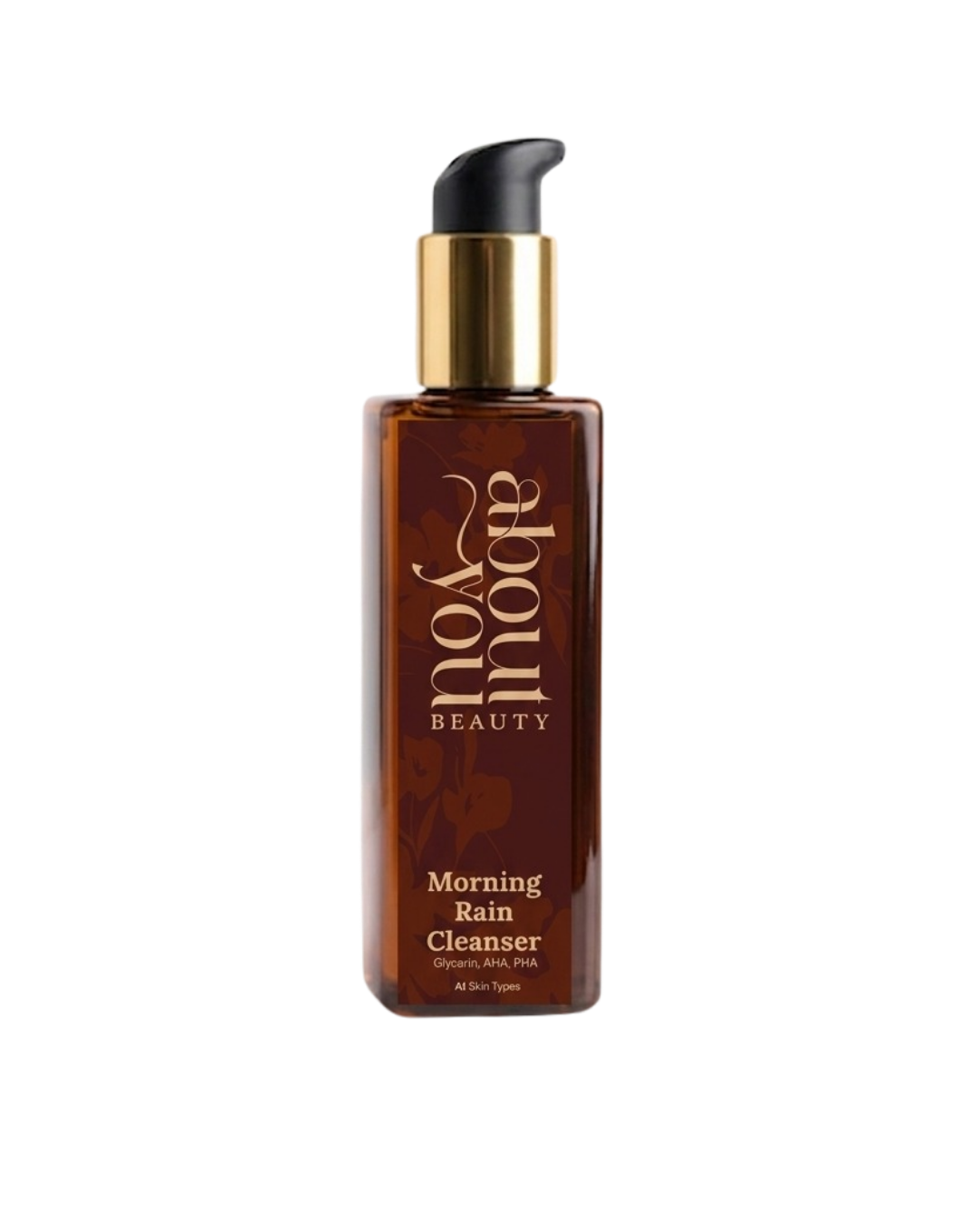
Common triggers that weaken the skin barrier include:
- Harsh sulfates and strong surfactants
- Added fragrance and dyes
- Alcohol-based formulas
- Hot water during washing
- Over-cleansing or over-exfoliating
Once you know what to avoid, it becomes much easier to choose products that work with your skin rather than against it.
Signs Your Cleanser Is Too Harsh
Your skin usually gives clear signals when a product is not right for it. Watch out for:
- A tight, “squeaky clean” feeling that does not go away
- Redness or visible flushing after washing
- Itching, small bumps, or a burning sensation
- Flaky or rough patches showing up within a day or two
- Excess oil later in the day as skin tries to compensate for moisture loss
If you notice one or more of these signs regularly, it may be time to switch to a gentler formula.
What to Look for in a Sensitive Skin Cleanser
Ingredients and formulation matter more than marketing claims. When choosing a gentle daily face cleanser, look for:
Sulfate-free formulas:
Sulfates create a strong lather but strip natural oils in the process. A sulfate-free cleanser can clean effectively without disrupting your skin barrier.
Hydrating ingredients:
Humectants such as glycerin or hyaluronic acid help draw in moisture, while soothing ingredients like aloe vera or chamomile can calm irritation.
A skin-friendly pH:
Skin is naturally slightly acidic. Cleansers formulated closer to this range tend to be gentler than high pH, alkaline soaps.
Fragrance-free or low-fragrance options:
Synthetic fragrance is one of the most common triggers for sensitive skin, so minimal or no added fragrance is usually a safer choice.
Cream, gel, or foaming textures made for sensitive skin:
A gentle foaming face cleanser can still deliver a thorough clean without the stripping effect that harsher foaming formulas often have, as long as it is built around mild, skin-friendly ingredients rather than strong detergents.
Step-by-Step: A Gentle Cleansing Routine
Step 1: Use Lukewarm Water, Not Hot
Hot water may feel relaxing, but it speeds up moisture loss from the skin. Stick to lukewarm water when wetting your face and rinsing.
Step 2: Use a Small Amount of Cleanser
A dime-sized amount is usually enough to clean your face. Using more than needed can lead to over-cleansing and dryness.
Step 3: Massage Gently for 30 to 60 Seconds
Use your fingertips in soft, circular motions. Avoid washcloths, exfoliating brushes, or sponges if your skin is easily irritated, since friction can make sensitivity worse.
Step 4: Rinse Thoroughly
Make sure all product is rinsed off completely, since leftover residue can clog pores or cause irritation. At the same time, avoid rubbing or splashing water aggressively.
Step 5: Pat Dry, Do Not Rub
Use a soft, clean towel and pat your skin dry instead of rubbing, which can irritate already sensitive skin.
Step 6: Moisturize Right Away
Apply your moisturizer within about a minute of cleansing while your skin is still slightly damp. This helps seal in hydration before it evaporates.
How Often Should You Cleanse Sensitive Skin?
Twice a day, once in the morning and once at night, is a common guideline. However, if your skin feels overly dry or reactive, consider rinsing with water only in the morning and using your cleanser at night, when it is genuinely needed to remove sunscreen, makeup, and daily buildup.
Additional Tips to Protect Your Skin Barrier
- Avoid layering too many active ingredients, such as retinoids or acids, on days when your skin already feels irritated.
- Introduce new skincare products one at a time so you can track how your skin responds.
- Patch test new products on your inner arm or jawline before applying them to your full face.
- Pair your gentle daily face cleanser with a barrier-supporting moisturizer that contains ceramides or niacinamide.
- Wear sunscreen daily, since UV exposure can make sensitive skin more reactive over time.
Final Thoughts
Cleansing sensitive skin does not have to mean choosing between clean and comfortable. By using a gentle foaming face cleanser or cream formula made for sensitive skin, along with lukewarm water and a light touch, you can maintain a healthy skin barrier while still removing dirt, oil, and impurities effectively. Take time to review ingredient lists and product details so you can choose a cleanser that genuinely supports your skin rather than working against it.
With the right routine, sensitive skin does not have to mean constant irritation. A little consistency and care can make a noticeable difference over time.