
How to Layer Your Skincare Products in the Right Order
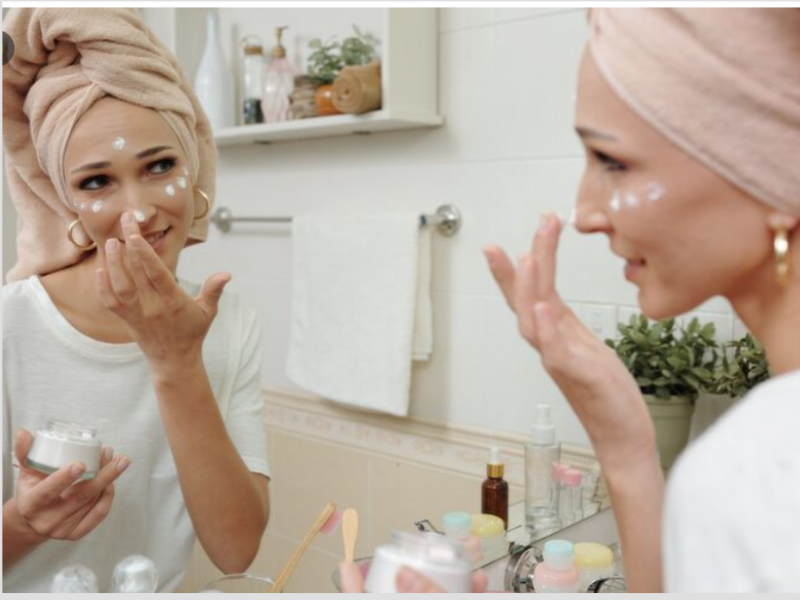
If you’ve ever lined up five serums, two moisturizers, and a sunscreen on your bathroom counter and wondered where to even begin, you’re not alone. Skincare layering is one of the most searched topics in beauty because the order you apply your products actually changes how well they work. Put a heavy cream before a lightweight serum, and that serum simply can’t penetrate. Skip waiting between steps, and you risk pilling, irritation, or products cancelling each other out.
The good news is that once you understand the basic logic, building the right routine becomes second nature. Here’s a complete, easy to follow guide to layering your skincare products correctly, morning and night.
Why Order Actually Matters
The general rule of skincare layering is to go from thinnest to thickest consistency. Watery, lightweight formulas absorb faster and need direct contact with your skin, while heavier creams and oils are designed to sit on top and seal everything in. If you reverse this order, the thinner products can’t break through the barrier created by heavier ones, so their active ingredients never actually reach your skin.
There’s also a chemistry side to this. Some active ingredients, like vitamin C and retinol, or certain acids and niacinamide, can reduce each other’s effectiveness or cause irritation if layered incorrectly or used too close together. Knowing what to separate is just as important as knowing what order to apply things in.
The Basic Rule of Thumb
A simple way to remember the sequence is: cleanse, treat, moisturize, protect. Within the “treat” and “moisturize” stages, products should be layered from lightest to heaviest texture. Gel like formulas come before creams, and creams come before oils.
Morning Skincare Routine Order
1. Cleanser
Start with a gentle cleanser to remove any oil or residue that built up overnight. A light, non stripping formula is usually best for morning use since you’re not removing makeup or sunscreen at this point.
2. Toner
If you use one, a toner preps your skin and adds a layer of hydration before your treatment products go on. Look for alcohol free formulas that balance skin without drying it out.
3. Serums
This is where your active ingredients come in, things like vitamin C, hyaluronic acid, or niacinamide. Apply your thinnest, most watery serum first, and work up to slightly thicker formulas. Vitamin C is a popular morning step because it helps defend skin against environmental stressors throughout the day.
4. Eye Cream
Eye creams are typically lighter than face moisturizers and should go on before your heavier moisturizer, patted gently with the ring finger.
5. Moisturizer
This locks in everything underneath and helps reinforce your skin barrier. Choose a formula suited to your skin type, gel based for oily skin, richer creams for dry skin.
6. Sunscreen
Never skip this step. Sunscreen should always be the very last thing you apply in the morning, since it needs to sit on top of skin to form an effective protective layer. Even on cloudy days, daily SPF is one of the most important things you can do for long term skin health.
Nighttime Skincare Routine Order
1, Oil Cleanser or Makeup Remover (if needed)
Double cleansing at night helps fully remove sunscreen, makeup, and pollutants from the day.
2, Water Based Cleanser
Follow up with your regular cleanser to clean any remaining residue and prep the skin.
3, Exfoliant or Treatment (2 to 3 times a week)
This includes chemical exfoliants like AHAs or BHAs, or spot treatments. These should not be used every night, and generally shouldn’t be layered with retinol on the same evening.
4, Serums
Just like in the morning, apply from thinnest to thickest. Hydrating serums with hyaluronic acid or peptides work well here.
5. Retinol or Retinoid (if part of your routine)
Retinol is best applied at night since it can increase sun sensitivity. Introduce it slowly, a couple of nights a week, and always follow with a moisturizer to buffer potential irritation.
6. Eye Cream
Apply before your night moisturizer, focusing on the delicate under eye area.
7. Night Cream or Facial Oil
Finish with a richer moisturizer or a facial oil to seal in hydration overnight. Oils go last since they’re the heaviest and most occlusive.
A Few Layering Tips to Keep in Mind
Wait about 30 to 60 seconds between steps so each product has time to absorb before the next one goes on. Avoid combining activities that conflict, such as vitamin C with retinol, or multiple exfoliating acids in the same routine. And remember that more products isn’t always better; a focused routine with the right order often outperforms a crowded one applied haphazardly.
Final Thoughts
Layering skincare correctly doesn’t have to be complicated. Once you remember the core principle, thinnest to thickest, water based to oil based, and treat to protect, you’ll get far more value out of every product in your routine. Small adjustments to your order can make a noticeable difference in how your skin looks and feels over time.
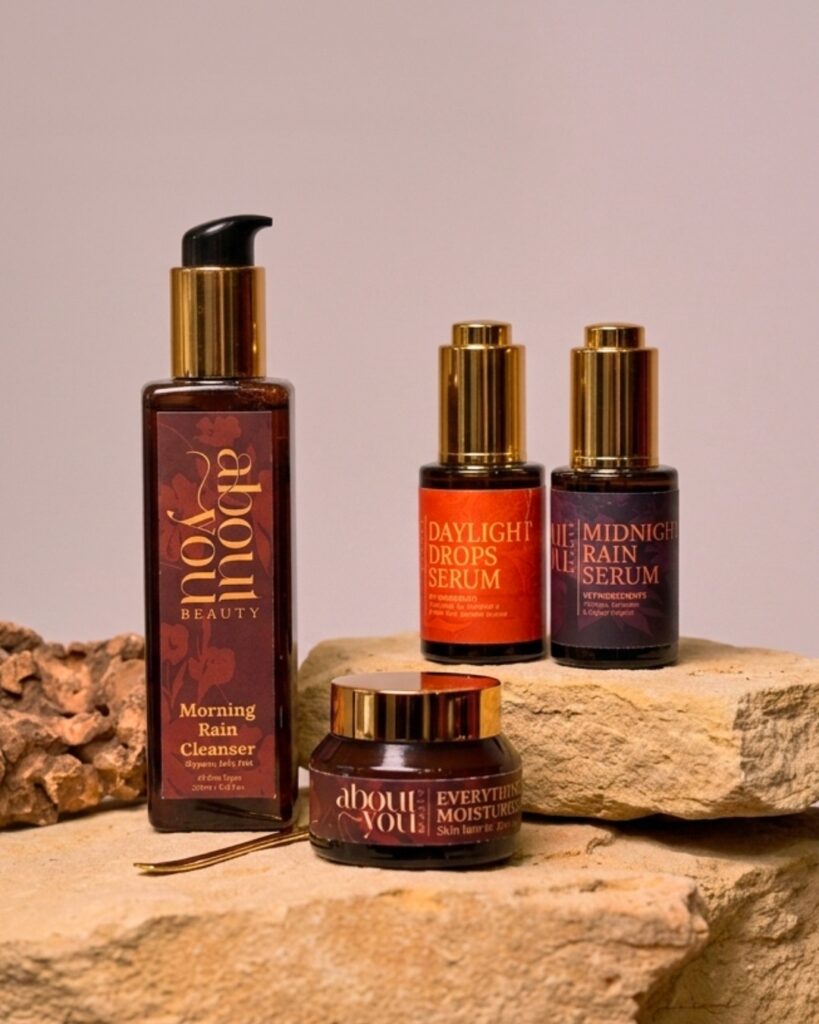
Ready to build a routine that actually works for your skin? Explore the collection at About You Beauty and start layering with confidence.